
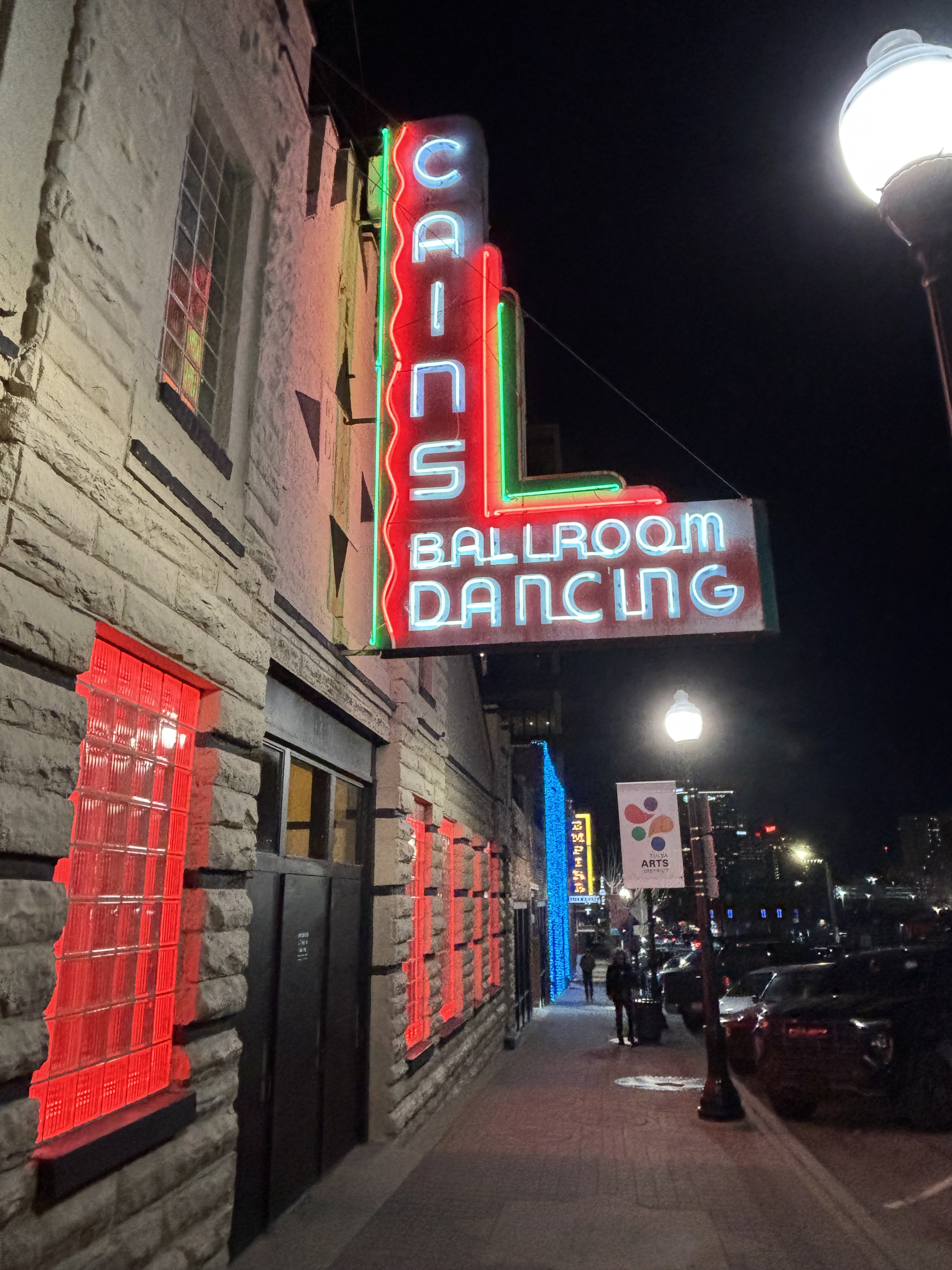

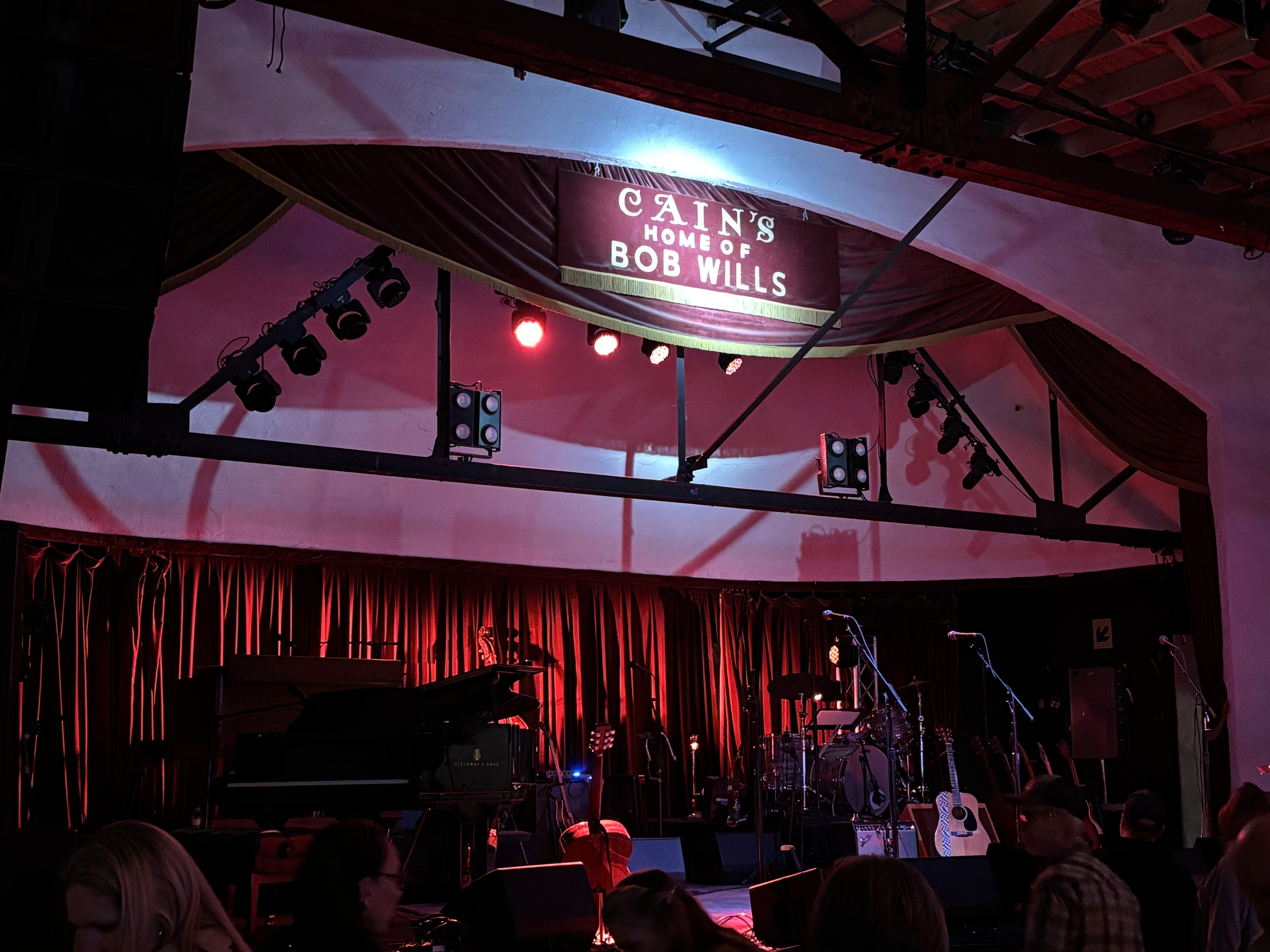
Cains’ Ballroom, where Bob Wills is still the king. 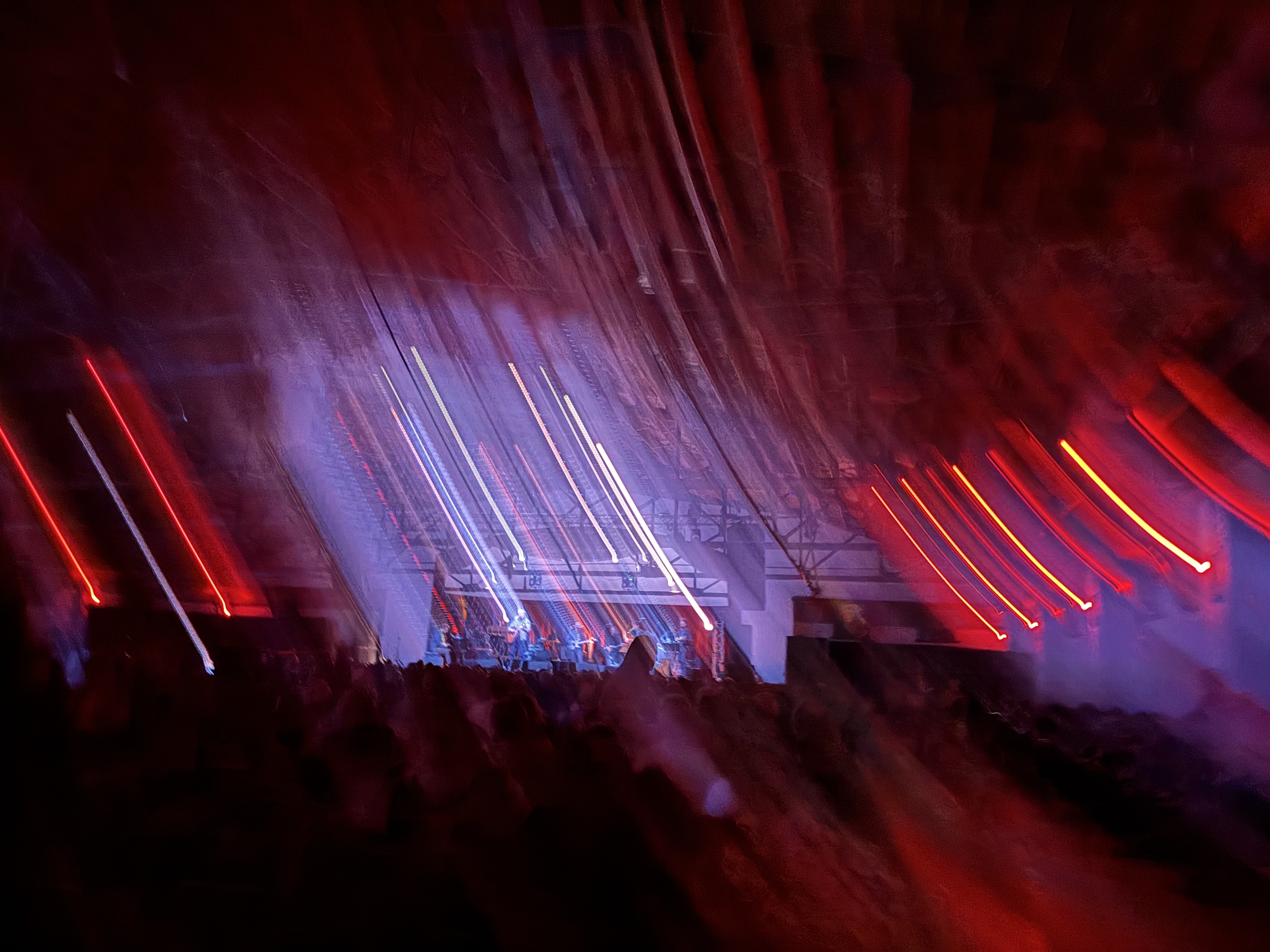
Bob Wills may still be king at Cain’s, but it also was one of the seven venues that hosted the Sex Pistols during their ill-fated U.S. tour in 1978. To prove it, Cain’s still displays a hole in the wall that Sid Vicious is said to have punched backstage. 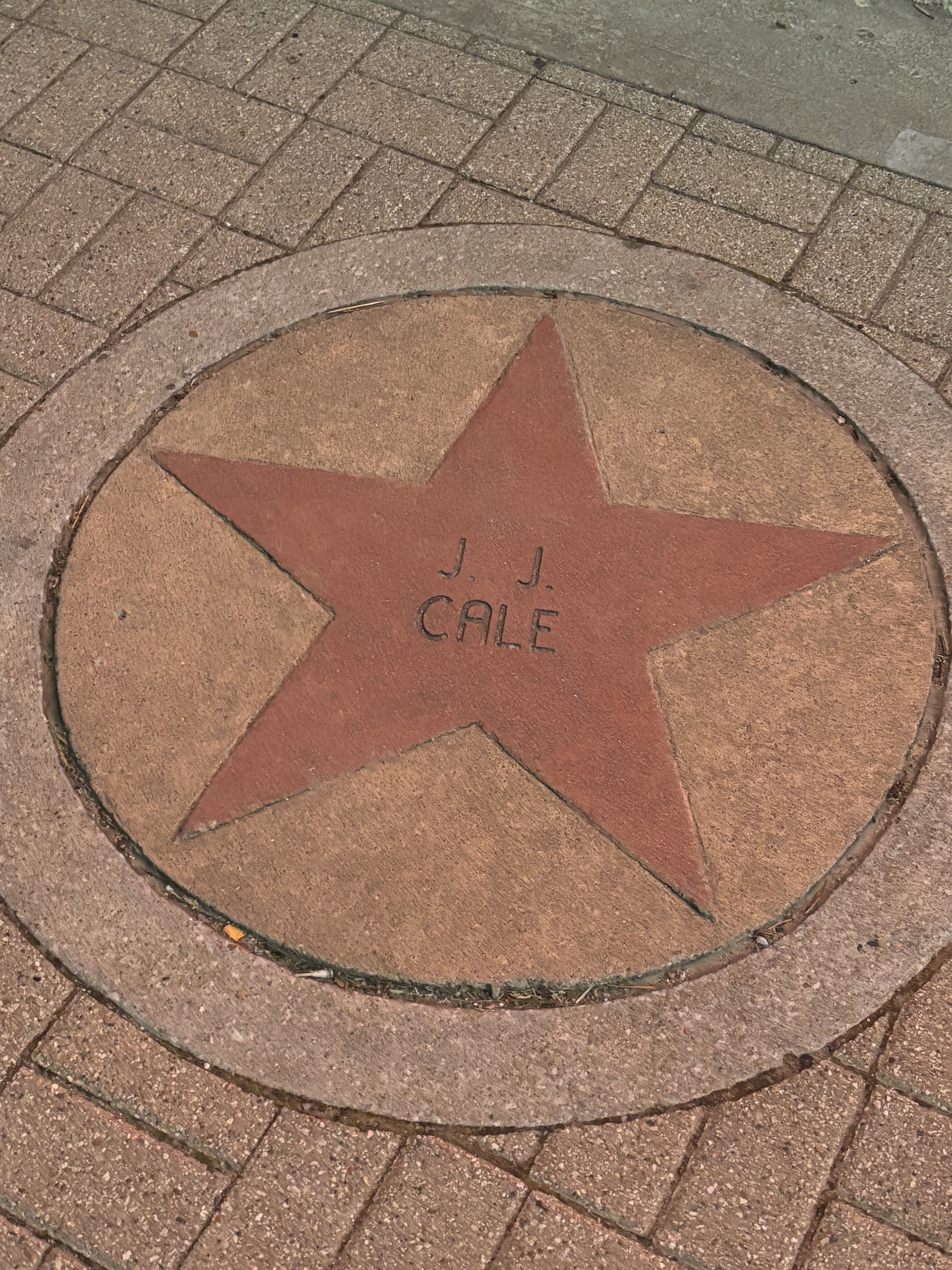
The sidewalk outside Cain’s Ballroom is a walk of fame imbedded with stars honoring many of the musicians who have preformed inside, including Oklahoma’s J.J. Cale. 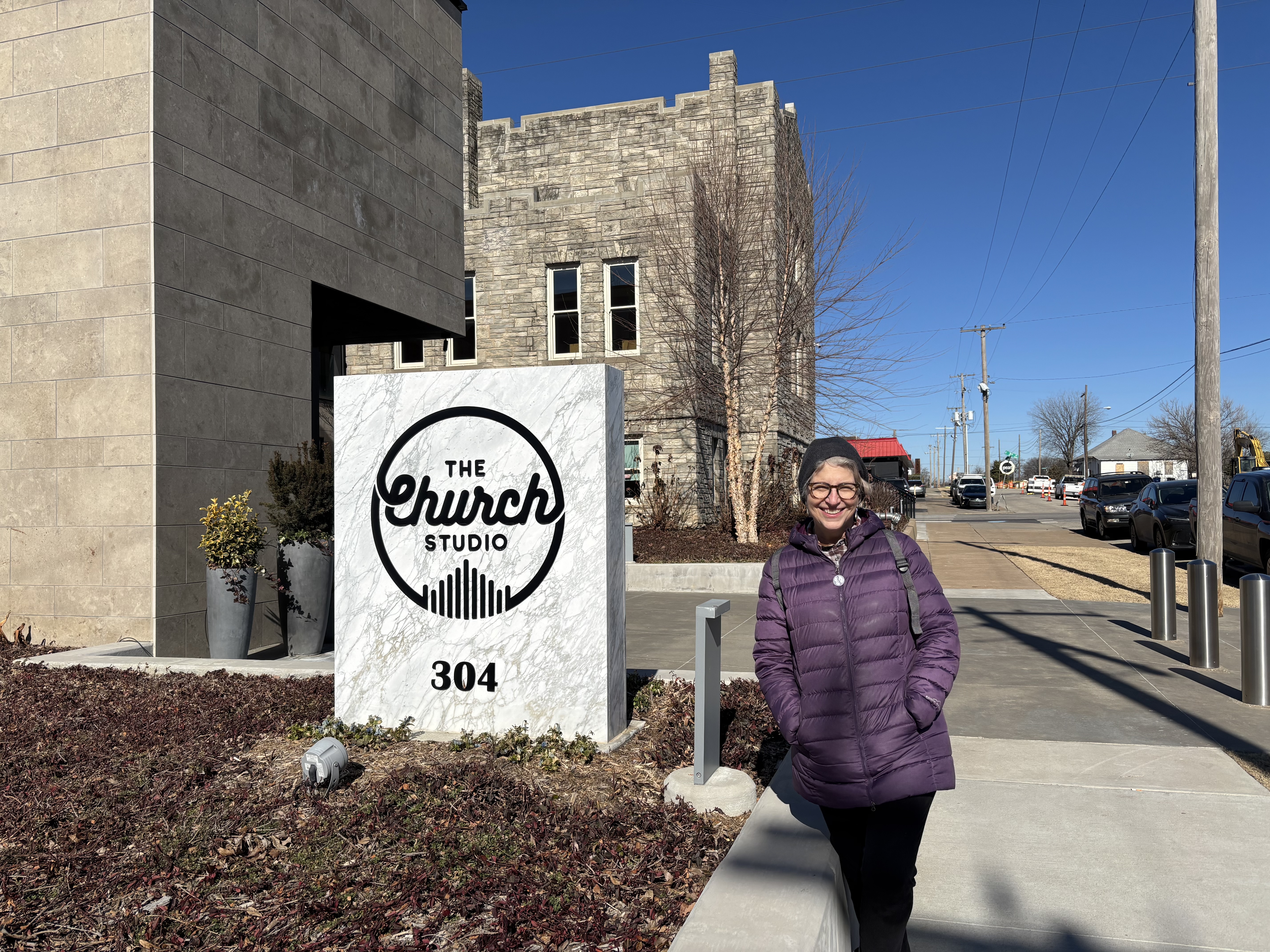
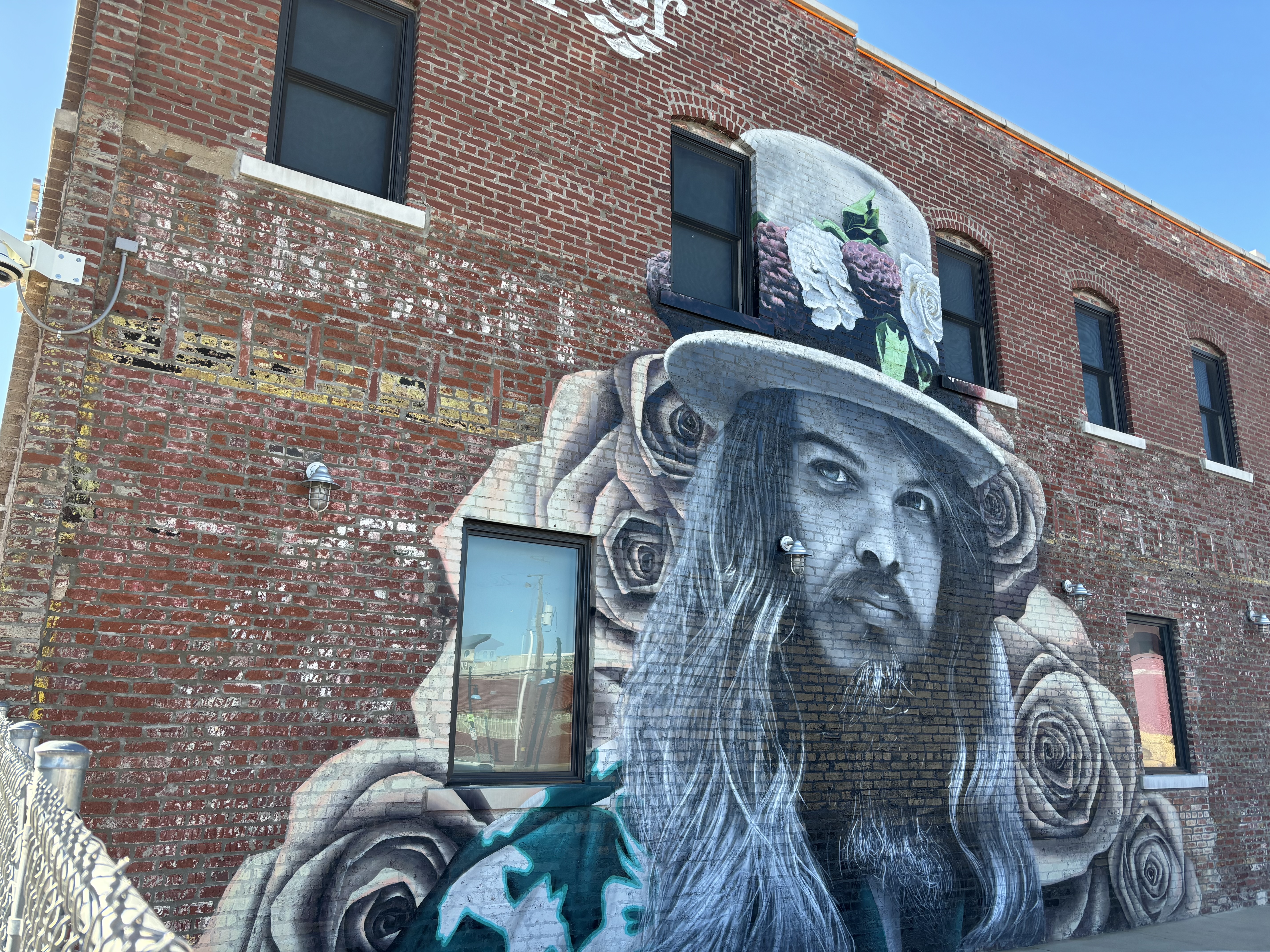
Leon Russell murals can be spotted all over Tulsa, including this towering one on the side of a tech company’s building near downtown. 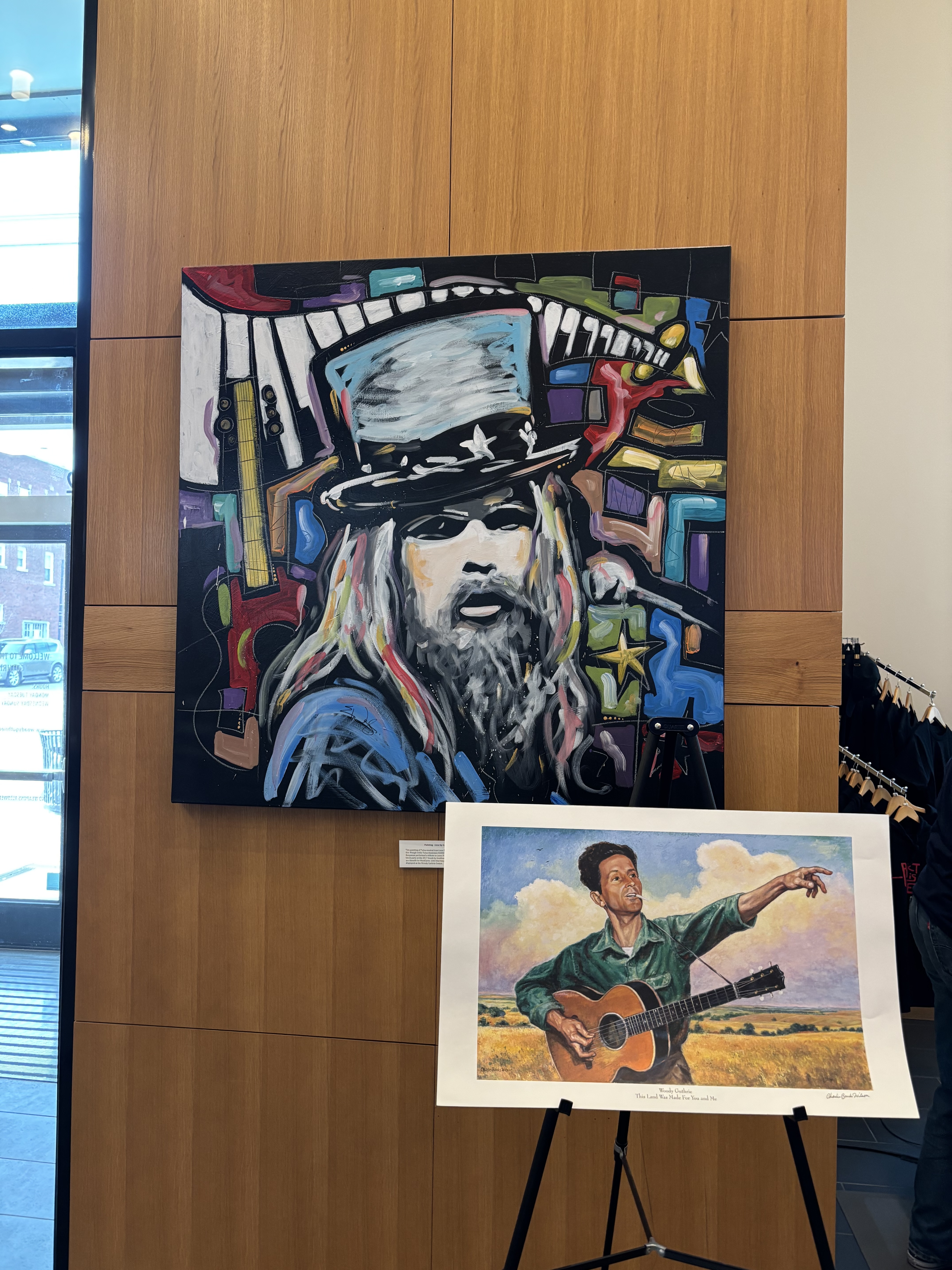
Another portrait of Leon, with fellow Oklahoman Woody Guthrie. 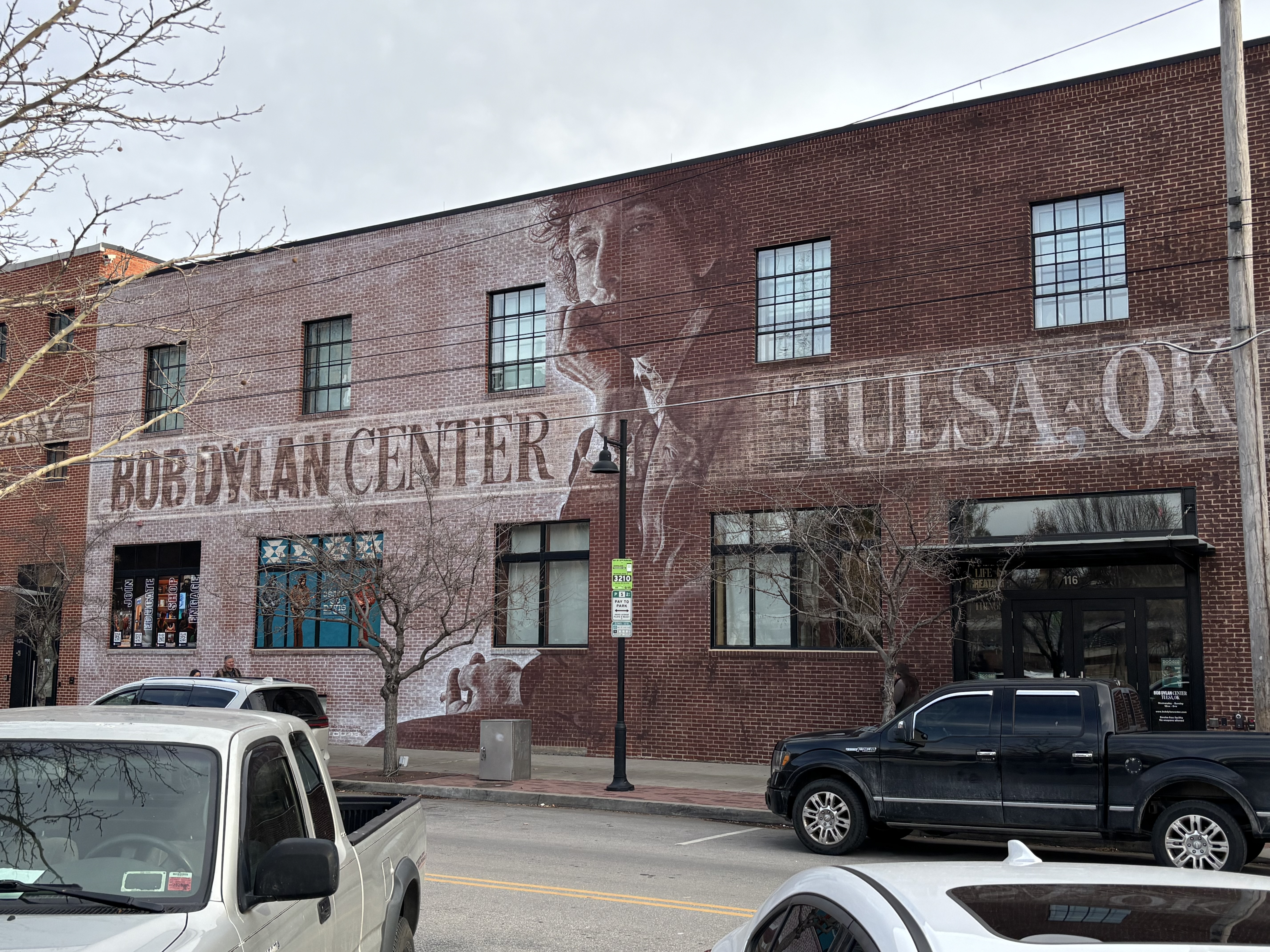

Atlas holding up the world in Tulsa’s Art Deco district. (Chrissy Russillo photo) 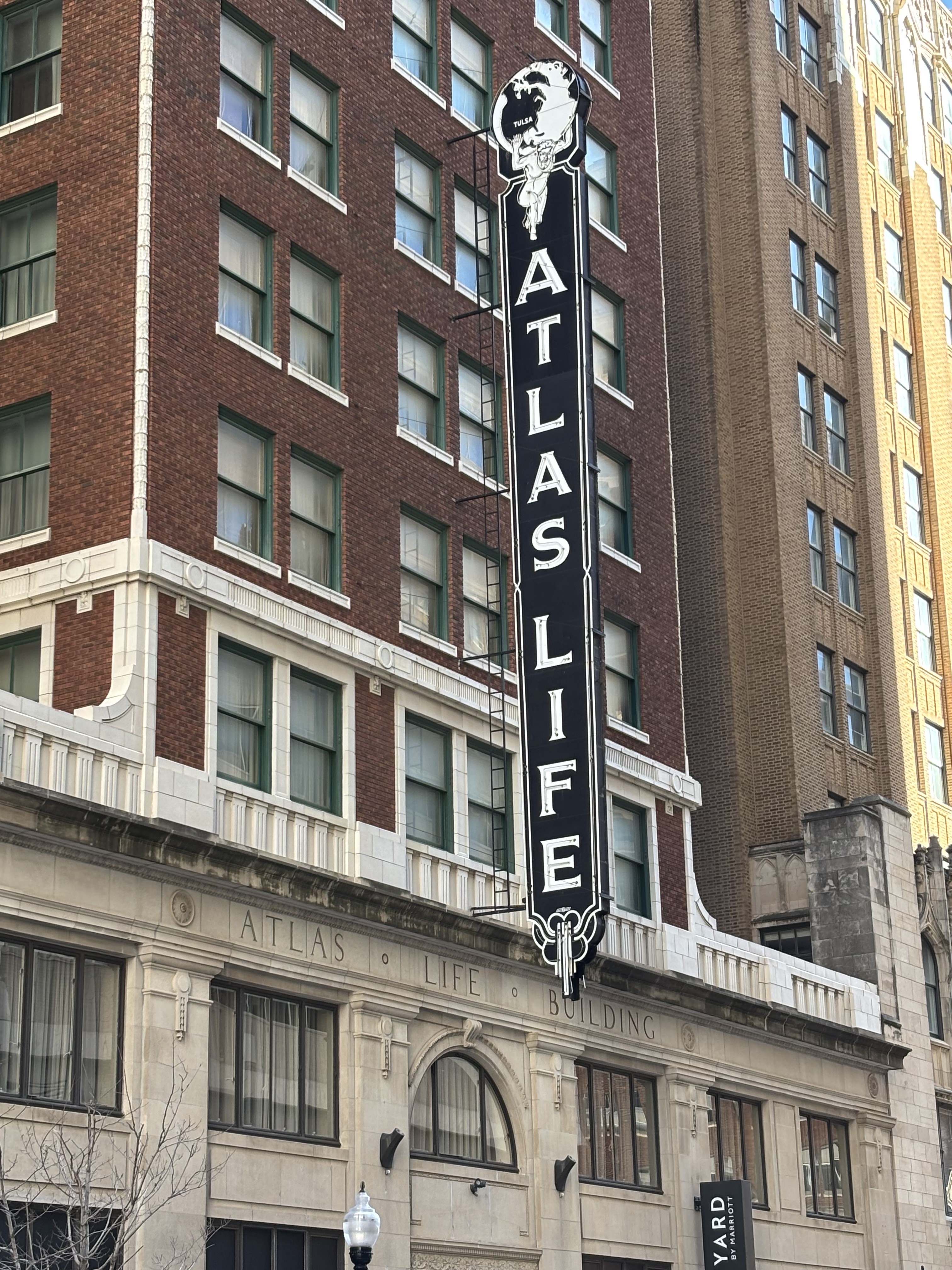
It felt great during this moment in time to travel someplace new in our country. Tulsa, Oklahoma, was new to me, anyway, and I left smitten. It felt friendly, vibrant, optimistic. A place with a rich history in American music – and a history marred by racist violence. A place embracing its artistic legacy, while taking care to remember an ugly past.
I had been struggling to feel hopeful these past few weeks. My job is covering the courts in Seattle as a journalist. I’ve sent a lot of pixels into orbit recently about executive (dis) orders coming down from the other Washington, edicts targeting profoundly vulnerable people such as immigrants and transgender children and young adults.
On Valentine’s Day I saw a courtroom overflowing with people full of love for their transgender kids break out in cheers after a federal judge temporarily shut down the “Protecting Children from Chemical and Surgical Mutilation” executive order. The judge called it blatantly discriminatory. And the judge called out Department of Justice attorneys for being unable to explain how an order blocking gender dysphoria therapy – which does not involve surgery for kids – mutilates anything, except for the Constitution.
That felt hopeful, like it did when Chrissy and I were back in Tulsa Town, walking along Greenwood, Archer and Pine. (The Gap Band!) The neighborhood is home to Greenwood Rising, a museum that opened in 2021 to honor Tulsa’s prosperous Black Wall Street and tell the story of why it was burned, looted, and destroyed in a 1921 race massacre.
It’s a grim, important story that greater Tulsa seems ready to more broadly acknowledge. That made me feel optimistic about the concept of truth and reconciliation, something Nelson Mandela said was necessary to help post-apartheid South Africa “manage the more difficult aspects of healing the nation’s wounds. … Thus we shall free ourselves from the burden of yester-year; not to return there; but to move forward with the confidence of free men and women, committed to attain the best for ourselves and future generations.”
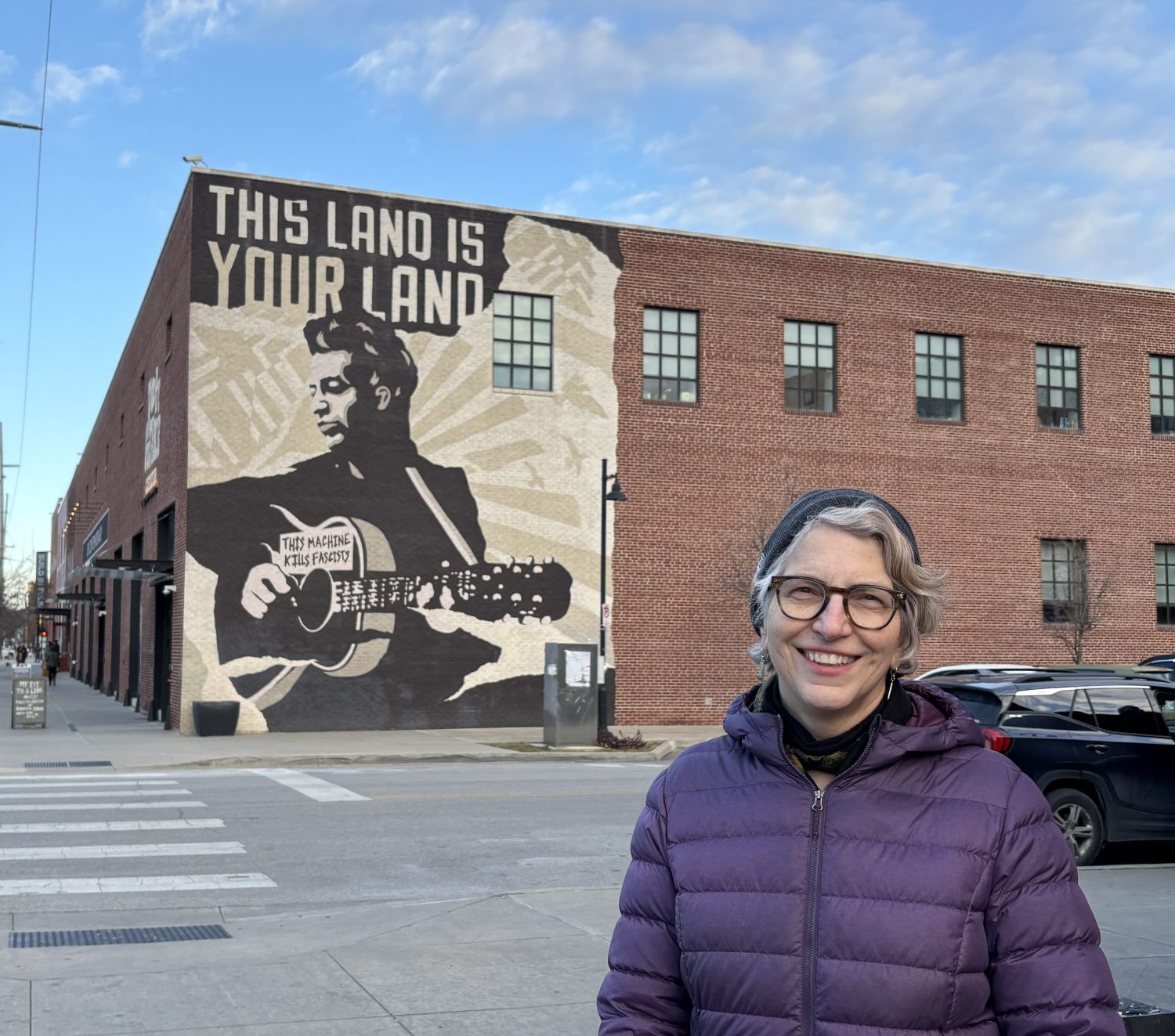
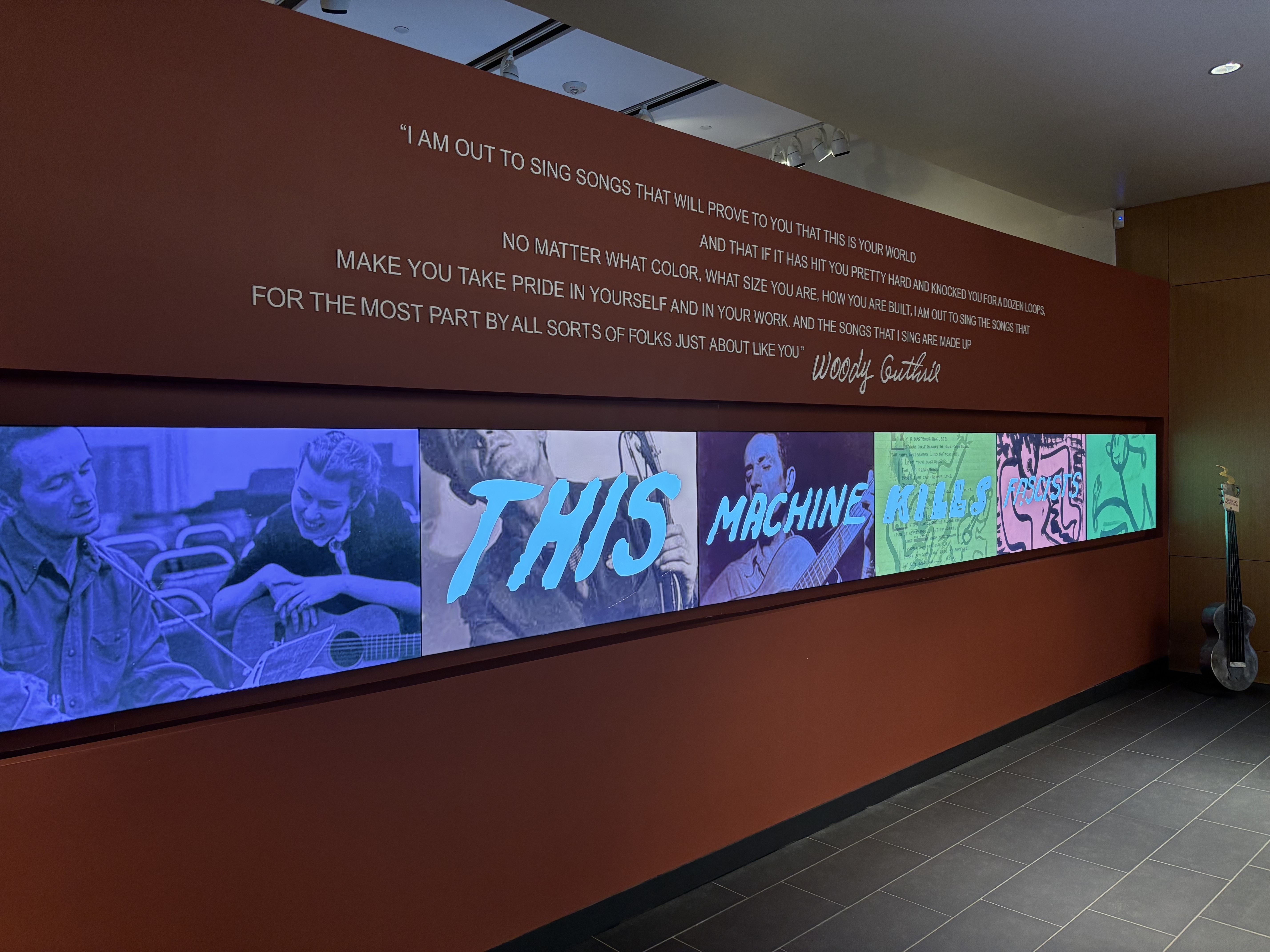
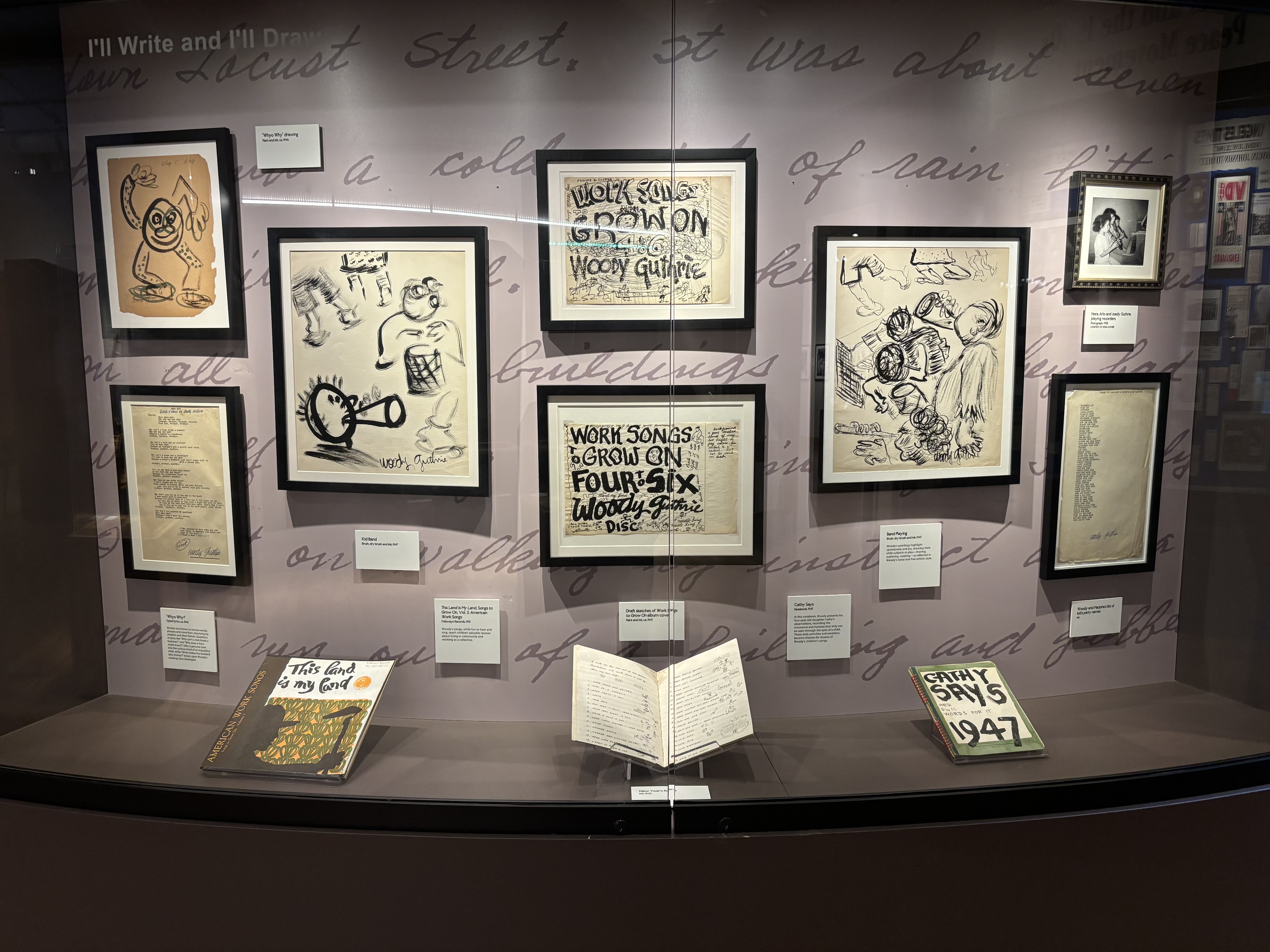
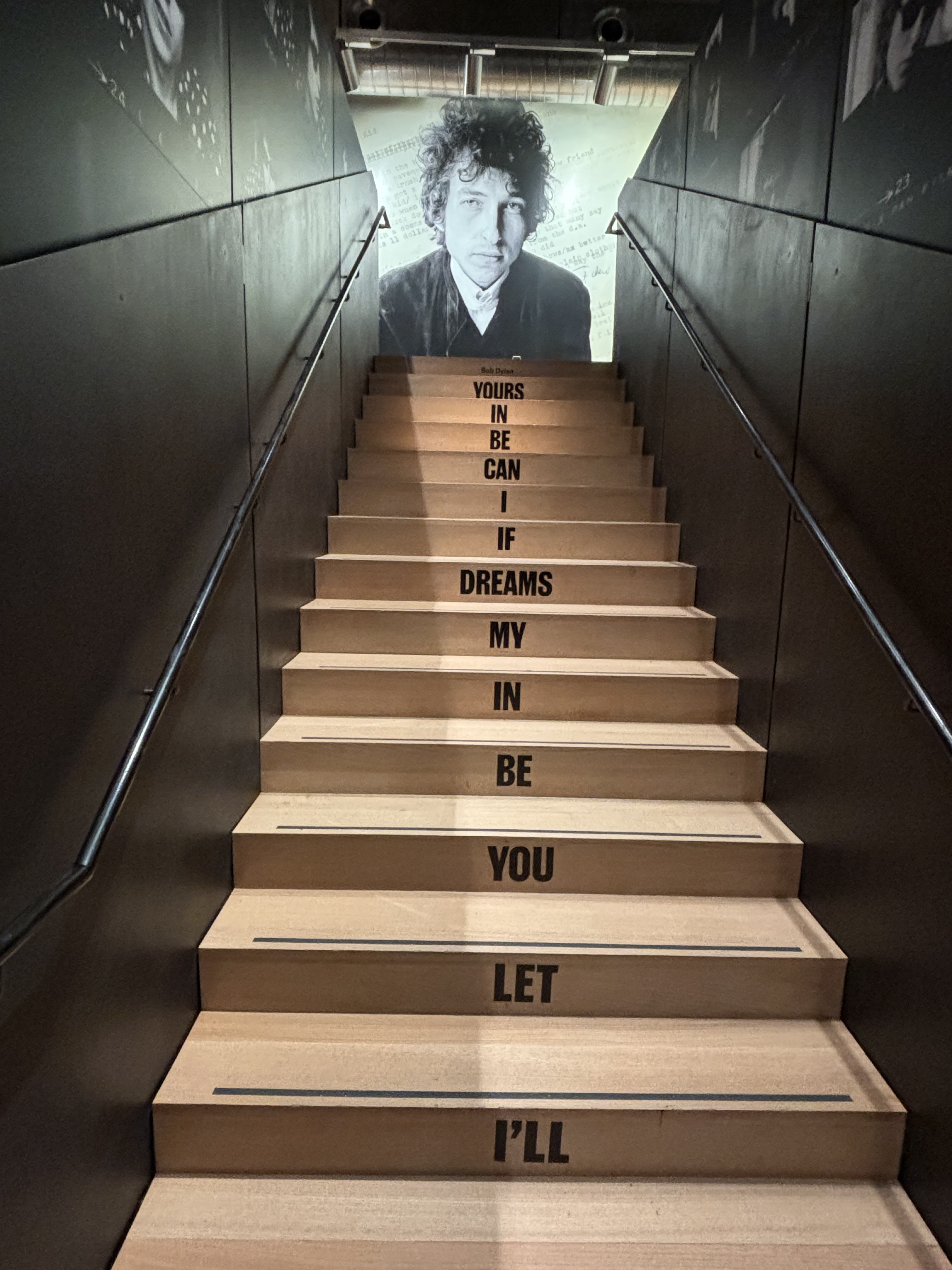
I saw some of that hope and perseverance at Tulsa’s Bob Dylan Center, and the museum next door dedicated to Oklahoman Woody Guthrie, a man who fought for his beliefs armed with Dust Bowl ballads about outlaws and travelers and a guitar that kills fascists.
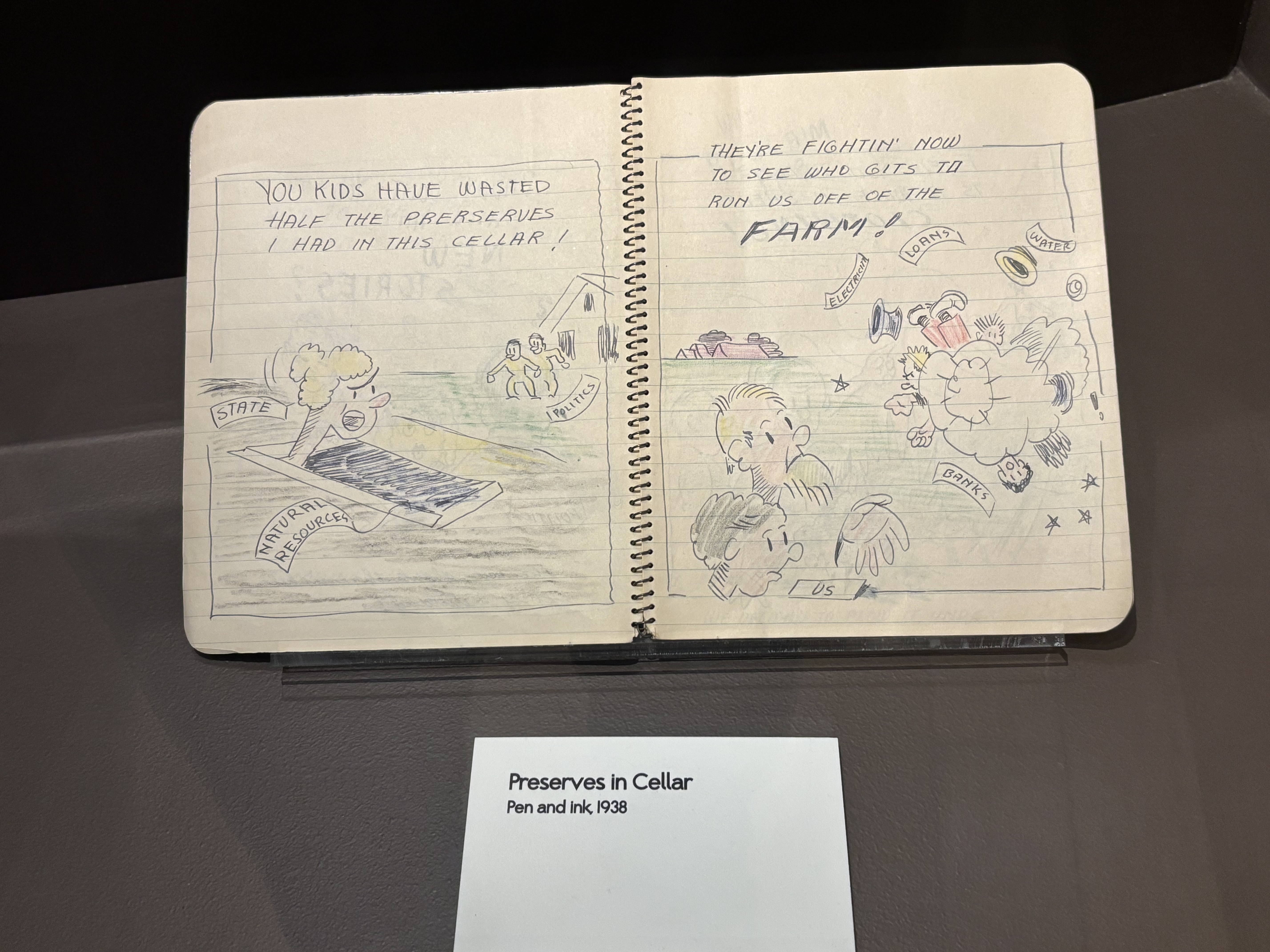
Beyond being a folk singer, Woody Guthrie was an accomplished illustrator, using pencil and paper – like his songs – to comment on what he saw around him. The Guthrie Center’s vast archives include many of his drawings, including depictions of banks foreclosing on farms and law-and-order cops wielding billy clubs.
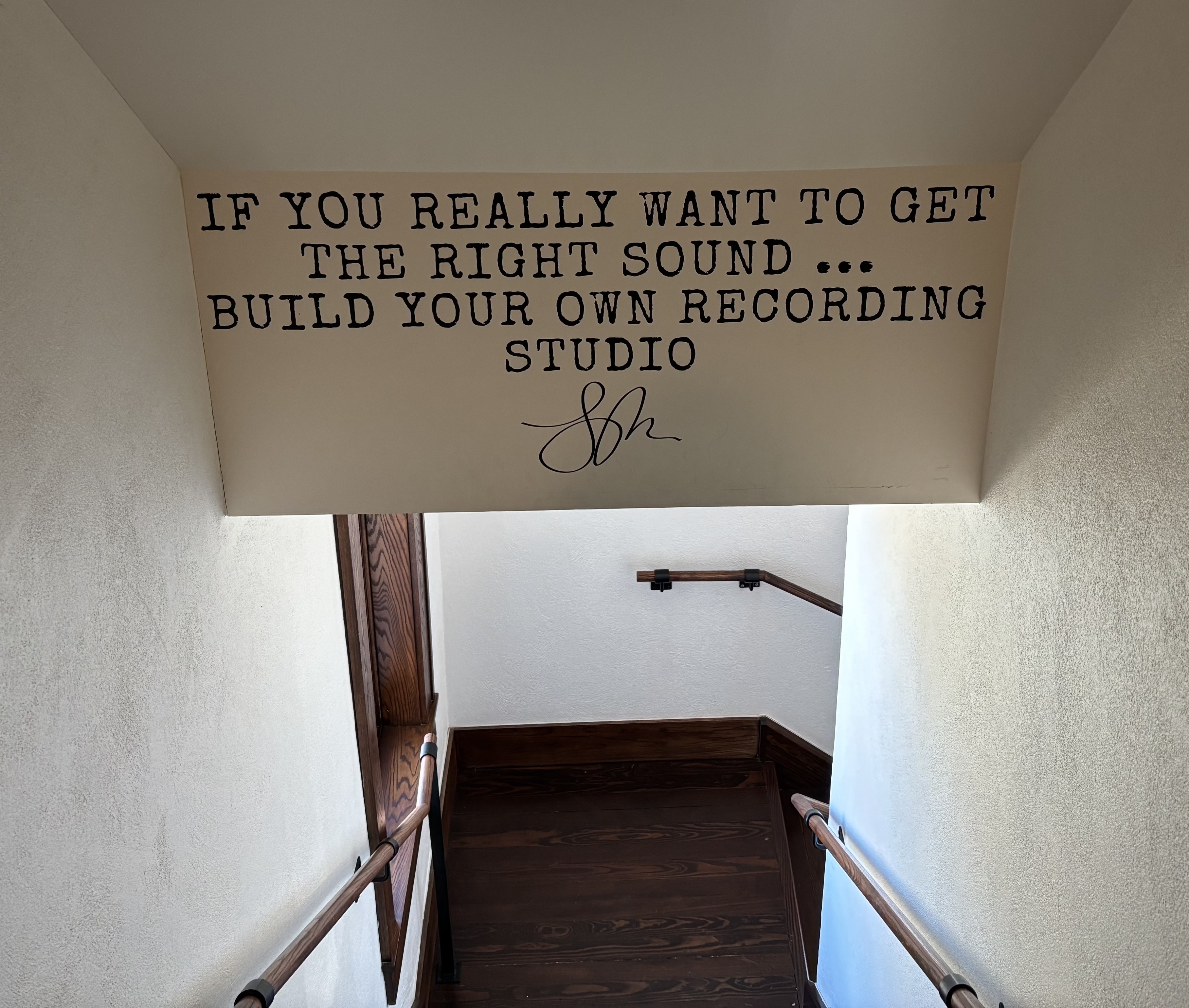
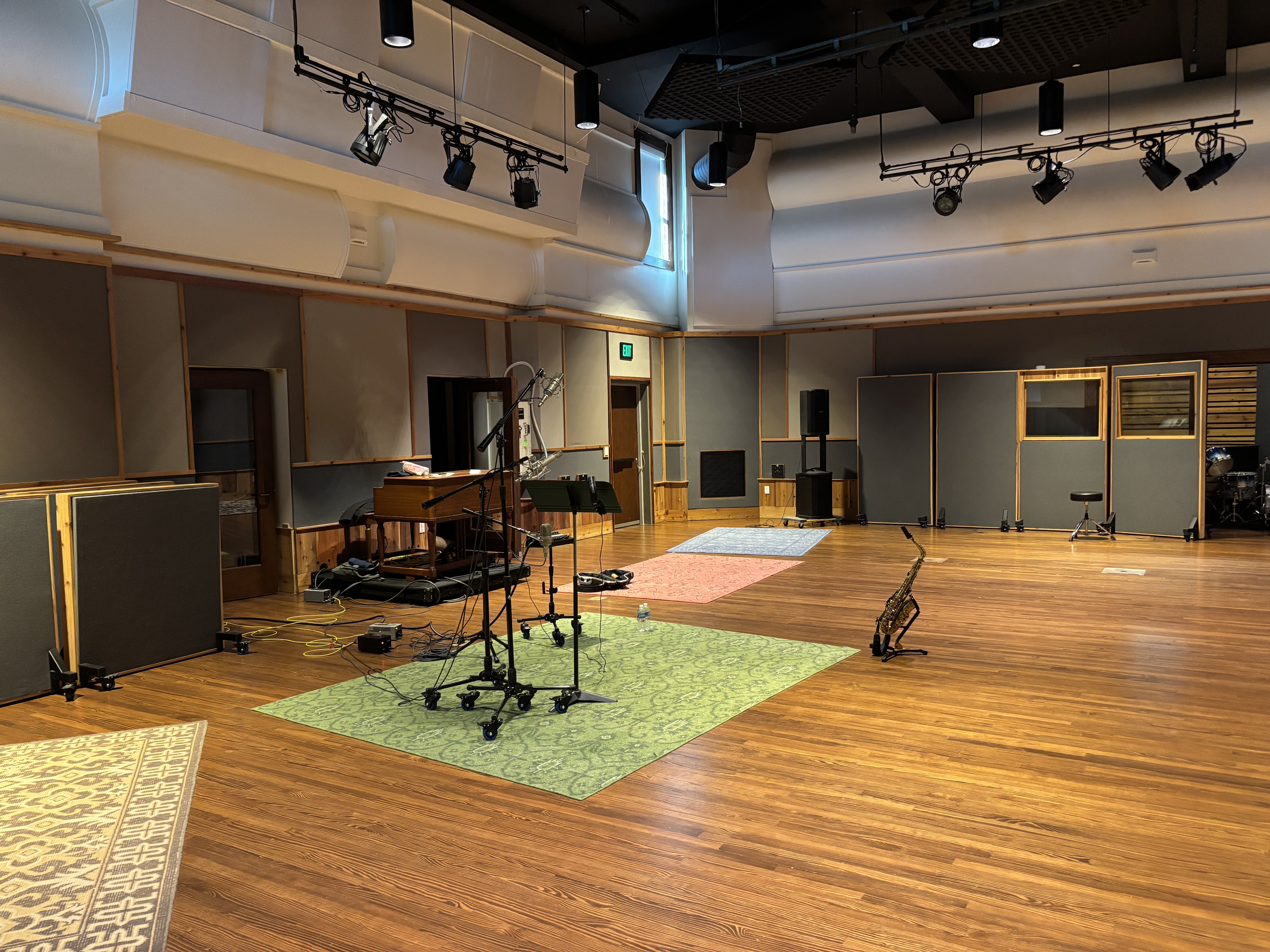
I also saw hope, joy and creative genius when we toured Leon Russell’s refurbished Church Studio in Tulsa’s Pearl District. The Church was home of the famed Shelter Records, with a lineup of musicians such as J.J. Cale, who popularized a cool, laidback mix of country, blues and rock that became the Tulsa Sound. It was great to learn on our visit that the studio is still recording music, including Taj Mahal’s “Swingin’ Live at The Church in Tulsa,” which just won a Grammy.
It also was great to discover that Leon still looms large in Tulsa, in giant murals and street art all around town.
But before Leon and The Church, Tulsa had Cain’s Ballroom, a birthplace of Western Swing and home base for Bob Wills and His Texas Playboys.
A giant portrait of Bob Wills still hangs on the wall and live music is still going strong more than 100 years on in this converted garage with its exposed rafters. On our trip, Chrissy and I saw an all-star concert celebrating songs from Bob Dylan’s “Blood On The Tracks” album.
The concert ended with Dylan’s “I Shall Be Released,” with Elvis Costello, Lucinda Williams and other performers taking a go at the verses. A predictable finale, perhaps. But more than appropriate for these times, with its offering of salvation from condemnation and despair.
I see my light come shinin’
From the west down to the east
Any day now, any day now …
 Greg Lamm